Criticisms
Artistic World
2025
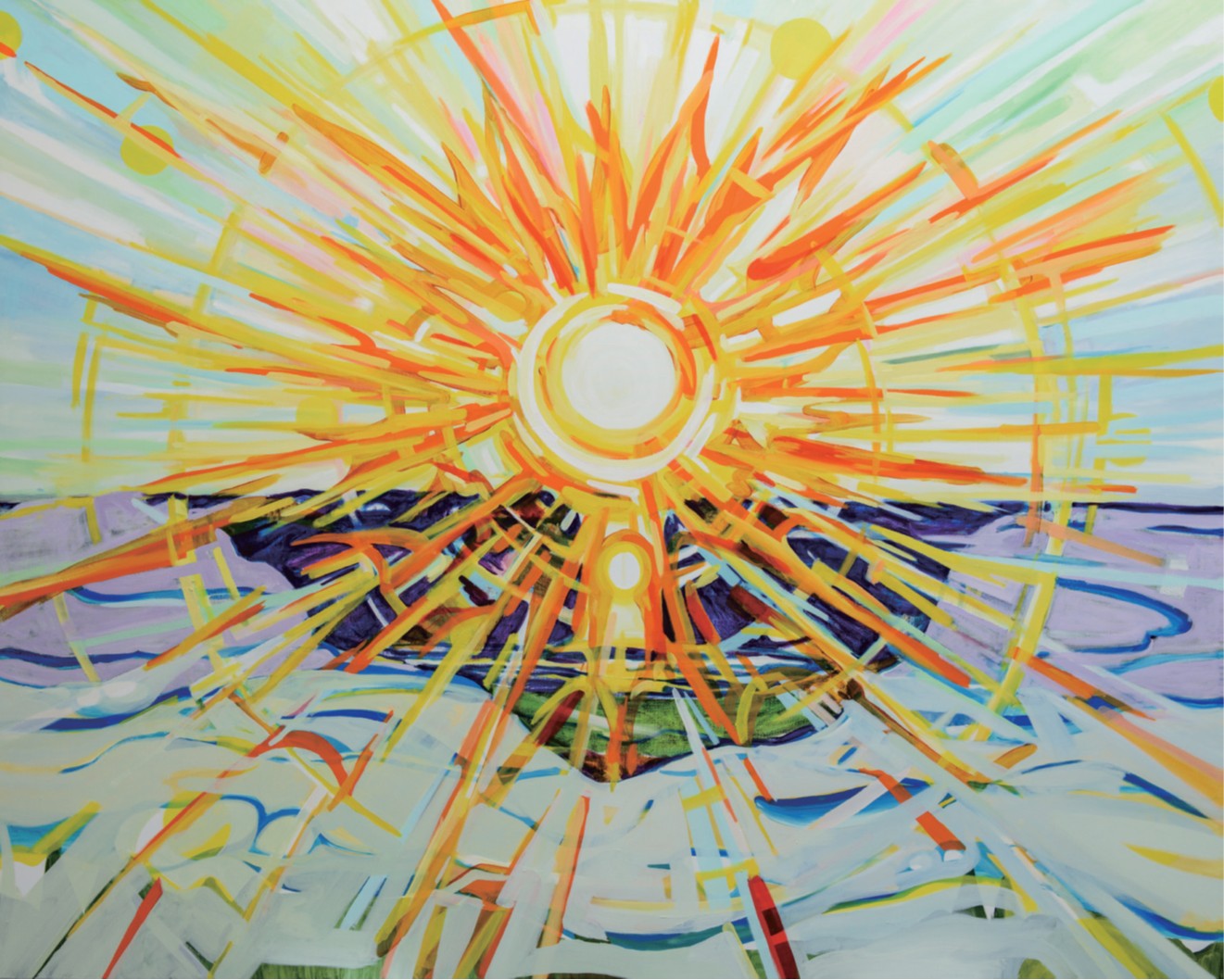
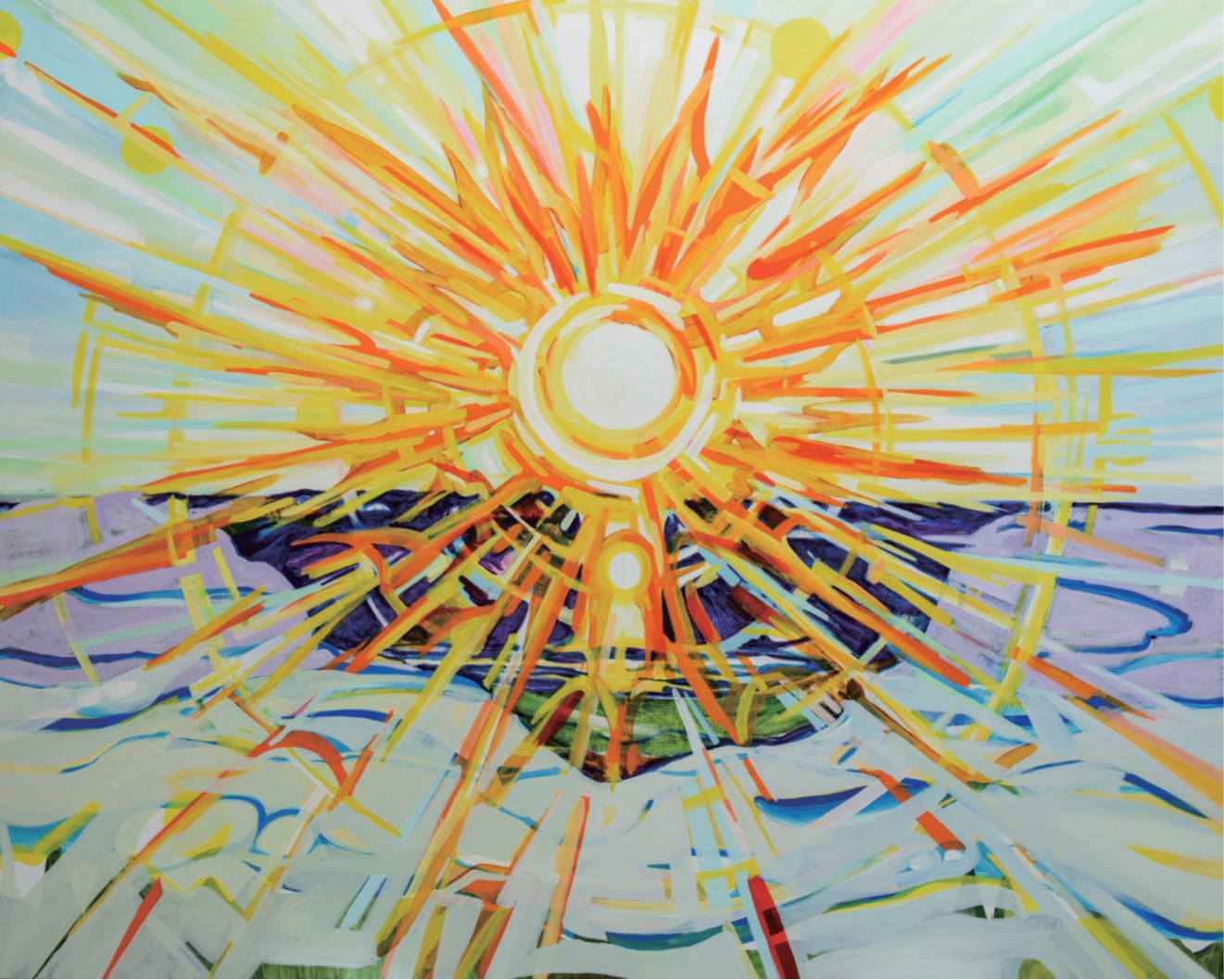
In front of Munch's sun…, 2018, Oil on canvas, 130 x 162.2 cm ©Artist
Huh Jeong-Won’s practice begins with movement (移動) as a fundamental condition of everyday life. Within repeated acts of movement, the moments of disappearance and emergence, along with their associated sensations and affects, are accumulated in the artist’s body; this accumulated body, in turn, becomes a pictorial field. In this context, the body functions not merely as a medium of representation, but as a sensory repository and generative ground in which memory (記憶) and consciousness (意識) are stratified.
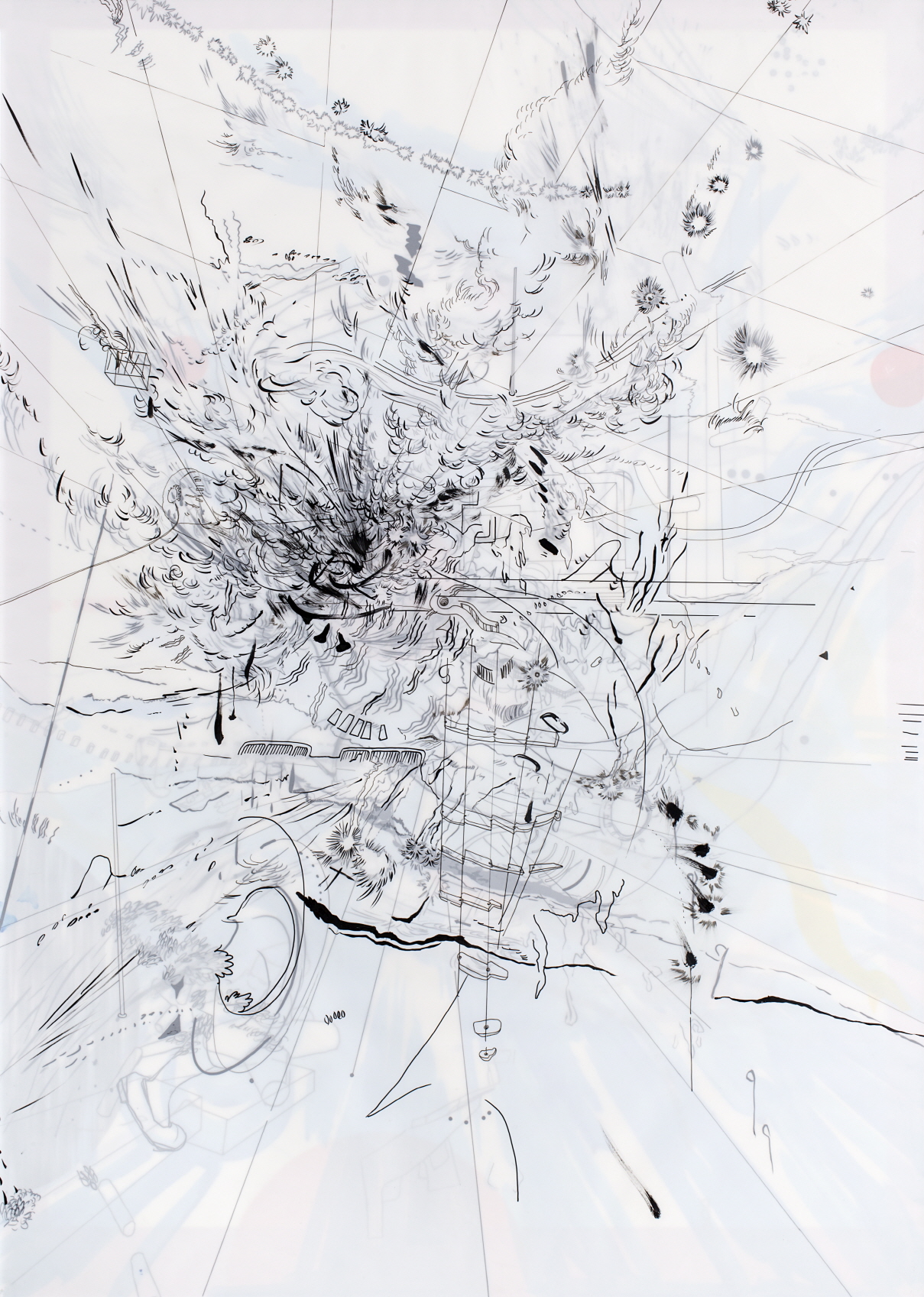
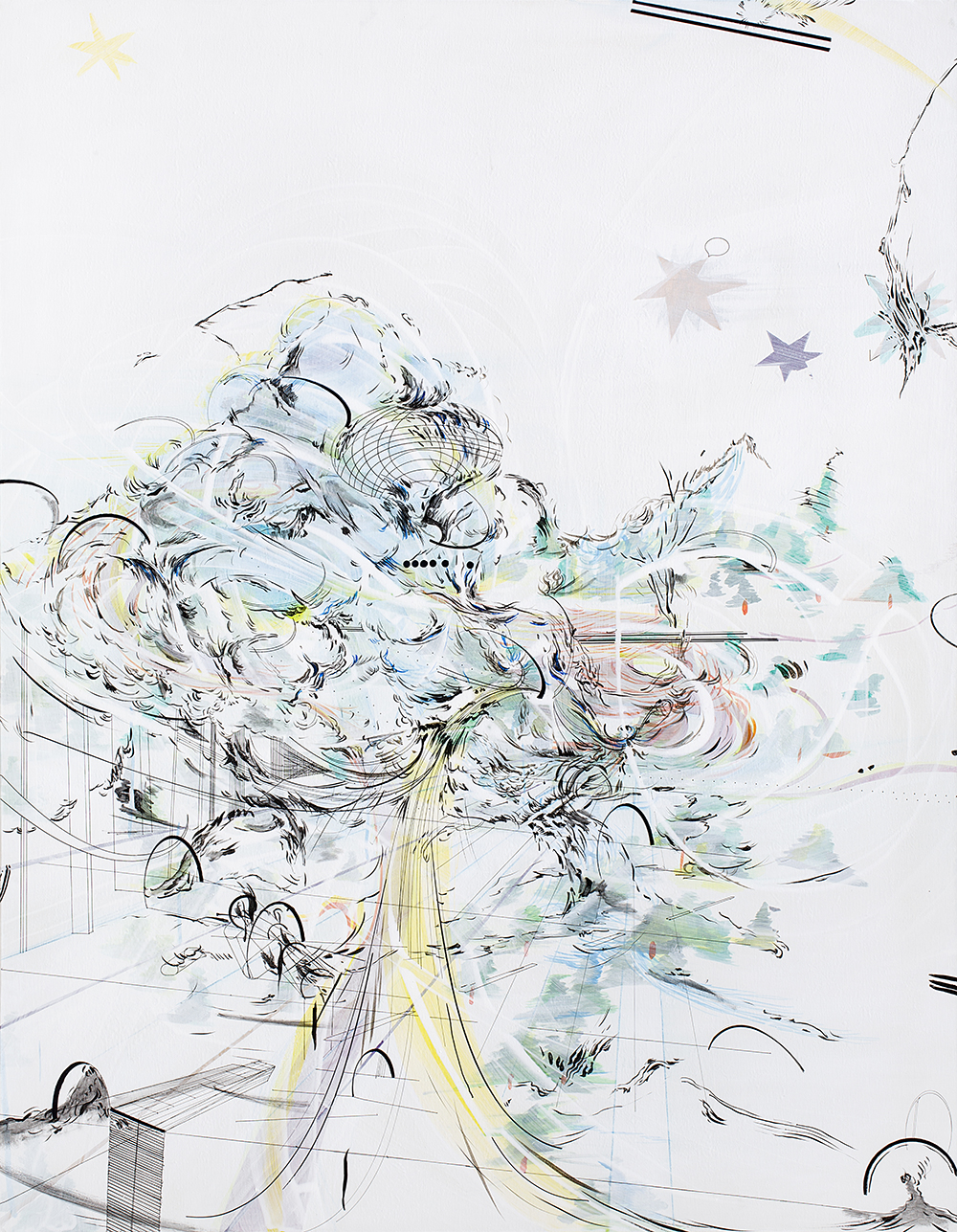
This process of accumulation manifests in her paintings through the formal conditions of abstraction (抽象) and stratification. Her abstraction does not operate as a simple reduction or elimination of the visible; rather, it approaches the core of being through a continuous process of erasing and retaining lived experience. In this sense, her work does not reject representation outright, but seeks to recall the layers of perception and cognition that precede it.
A key aspect of her practice lies not in the notion of the “layer” as a purely material device, but in stratification as a structural condition. Images derived from different temporalities, memories, and experiences of movement accumulate within the pictorial surface like geological strata, coexisting in a state that is neither fully revealed nor entirely erased. This structure suggests that being is not a fixed entity, but something constituted through the accumulation of time and experience.
Within this framework, the relationship between concealment and revelation becomes central. What appears on the surface always presupposes underlying strata, and the tension between the visible and the invisible operates as a fundamental condition of the work. This corresponds to an ontological understanding in which being is constituted through the simultaneous processes of revealing and concealing.
Ultimately, Huh Jeong-Won’s practice can be understood as an exploration of the self as it is formed through its relation to the world, grounded in accumulated sensations and memories of movement. Rather than presenting fixed forms, her work articulates the processes through which being is formed, dissolved, and reconfigured, through the formal language of abstraction and stratification.
Writings